Doomscrolling 101: What is it?
Welcome to the 21st century, where no news escapes the eyes of the common man. We are updated each and every second about the hijack of any flight that we weren't aware of before the pop-up notification informed us. With two or more follow-up popups, we are entwined into the news and subsequently click on every thumbnail related to the news to the extent that our feeds are filled with the very sad news you are obsessed over. If you catch yourself doing that, you are one of the sheep of the 'doomscrolling' flock. Let me share what doomscrolling is. It is defined by the Oxford Dictionary as
“The practice of obsessively checking online news and social media for updates, especially during times of crisis, despite the negative impact on one's mental health.”
Benefits:
The practice of doomscrolling became predominant since COVID-19. To stay updated people resorted to the habit of constantly looking at their phones for the latest news about the spreading, vaccines, the economy, etc., Staying updated helps in staying informed and aware. With improved vigilance, we can face any turmoil lying ahead. Being aware of injustices, people would think of donating or voicing out for the vulnerable. When spoken openly in public, such opinions would be instrumental in forming a community with similar interests.
Physical :
Blue light exposure can lead to eye strain.With constant stress due to the consumption of negative news can affect sleep cycle. Approximately 10% to 30% of adults suffer from Insomnia. Repeated use of mobiles or laptops cause musculoskeletal problem due to poor posture. With leisure time spent on doomscrolling,people resort to sedentary lifestyle.
Mental :
With constant exposure to negative news,consumers are drawn into the circle of depression. Repeated reception of such information causes cognitive overload which directly impacts the brain's tendency to focus.With fight or flight response being activated more than usual,users suffer from anxiety.The addictive behaviour and moodswings,fruits of doomscrolling, take a toll on occupational performance and subsequently financial health. As per reports,users spend 2 or more hours on social media on a daily basis which causes loss in billions annually.
Books based on Doomscrolling:
You can refer to the following books if you want opinions of pros.
The Chaos machine (Max Fisher)
The book investigates psychological and societal effects of doomscrolling. It also highlights outrage and anxiety produced by negative news overload.
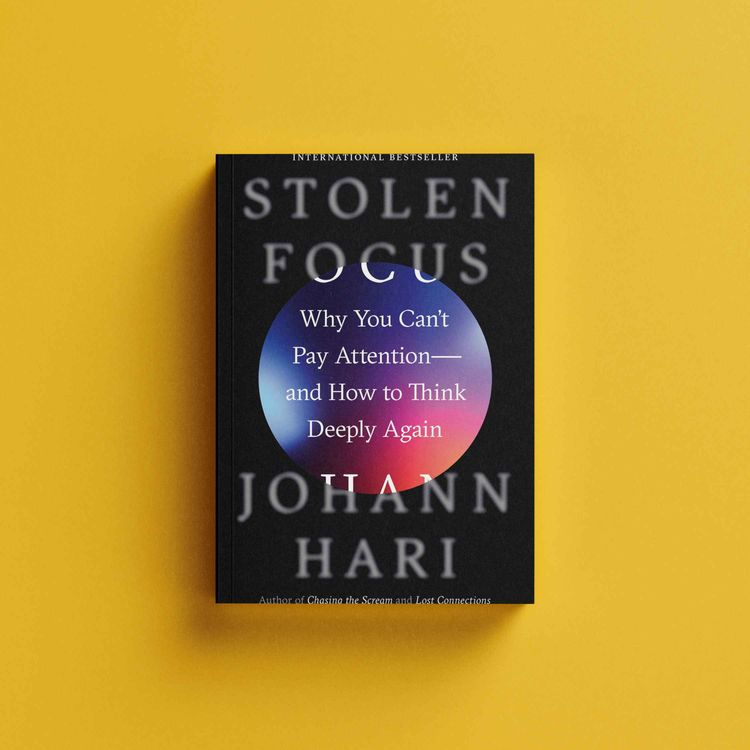
Stolen Focus (Johann Hari)
By examining modern digital habits like doomscrolling and its role in shrinking our attention span, he provides a detailed roadmap on reclaiming focus.
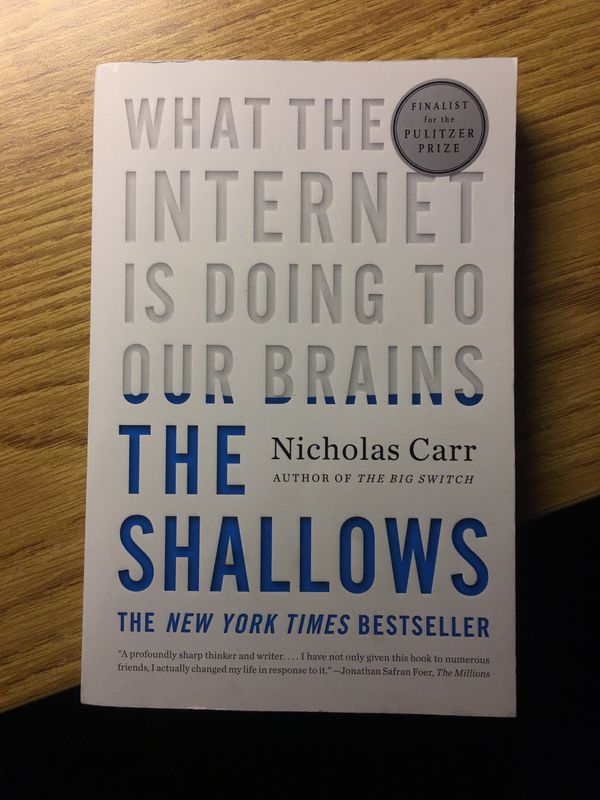
The Shallows (Nicholas Carr)
With crucial discussion on doom-scrolling which alters brain function,the author explores the shift from deep-thinking to surface-level thinking
Could we control it?
According to Johann Hari,author of Stolen Focus, it is difficult to regain control because social media is designed in a manner that can easily hijack our brain. He says , "Your attention didn’t collapse. It was stolen.". So breaking the cycle of doom-scrolling requires conscious efforts,detoxing from distractions and reclaiming focus.
1.Be Conscious
Staying vigilant while consuming information. Set timers while using mobile. Observe you moods and energy after using internet,
2.Set boundaries
Draft a clear schedule for scrolling through news feeds. Use third-party tools to make the social media less interesting.Need some tips regarding that?we'll get there soon.
3.Optimize your digital system
Subscribe and follow news medium which is positive,neutral and necessary. Consuming more positive news would help improve moods.
4.Keep yourselves busy in other activities
Doing productive activities like reading,journaling, gardening, community activities, and any physical activities are better ways to contain our addiction to doomscrolling.
Social media apps to the rescue
Forest
Encourages user to plant more virtual trees through which credits are earned.The credits are donated to real life afforestation activities.The virtual trees are earned by staying off your phone
Inculcate limited time of mobile usage by blocking apps which are distracting.
Enable focus by setting up timers and track screen time for better analysis.
Block calls,notifications and messages for set period.
According to Asurion studies, an average smartphone users pick up their phone 96 times per day. This phenomenon seems the new normal but keeping it under control lies in conscious usage and responsibility. India's IT rules (2021) mandate that social media platforms bring in the option of turning to AI-driven recommendations. Features like "For You", "Take a break" and " not interested" brought up by the platforms sound positive. With more such efforts from both the government and the platforms, the ball is in the court of users to limit screen time and fight the evil effects of doomscrolling. Do you have any new ideas to do it?




Comments
Post a Comment